
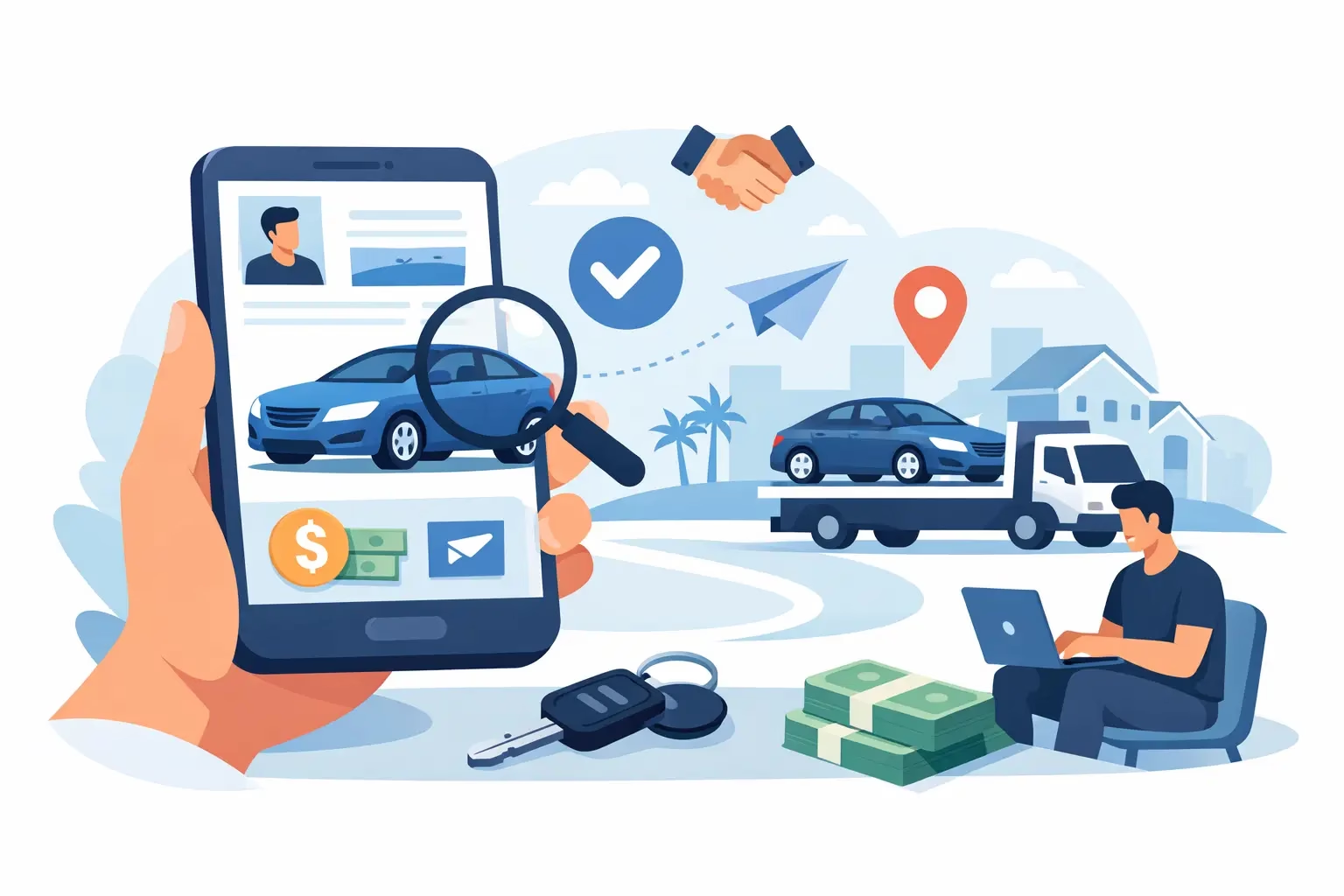
You don’t need a driveway full of strangers to sell your car. If you’re wondering how to sell a car without showings, the short answer is simple: skip the private-sale routine and use a buying service that can price the vehicle, make an offer, handle the paperwork, and pay you before pickup. For a lot of sellers, that’s not just easier. It’s smarter.
Traditional showings sound manageable until they start eating up your week. One buyer wants extra photos. Another says they’re on the way and never shows up. Someone else wants to “take a quick look” at 8:30 p.m. Then come the test drives, the low-ball texts, the safety concerns, and the back-and-forth over payment. If your goal is speed, certainty, and less stress, showings are usually the slowest part of the process.
Why selling without showings appeals to so many owners
Most people don’t avoid showings because they’re lazy. They avoid them because they have jobs, kids, commutes, and better things to do than coordinate with strangers who may never buy. There’s also the safety side. Meeting unknown people at your home, handing over keys for test drives, and discussing price in person is uncomfortable for many sellers.
There’s a financial angle too. Private-party selling can sometimes bring a higher number on paper, but that doesn’t always mean a better real-world outcome. If it takes weeks to sell, if you keep lowering the price, or if the buyer backs out after you’ve spent time cleaning, listing, and meeting people, the upside shrinks fast. Convenience has value. Certainty has value. Getting paid quickly has value.
How to sell a car without showings
The cleanest way is to sell directly to a professional car buyer that works remotely. Instead of creating a listing and waiting for messages, you submit your vehicle details online, receive an offer, accept it if it works for you, and arrange pickup. In the best cases, you get paid before the car is picked up.
That changes the whole experience. You’re not marketing the car to the general public. You’re not scheduling viewings. You’re not filtering serious buyers from casual browsers. You’re moving straight to valuation and sale.
This approach works especially well for busy owners, people selling a second car, families replacing a vehicle quickly, and anyone who simply doesn’t want the friction of a private sale. It also helps when there’s a lien or loan involved, because a professional buyer may be able to handle the payoff process for you.
Step 1: Gather the details that actually affect your offer
You don’t need to build a perfect ad, but you do need accurate information. The basics matter: year, make, model, trim, mileage, VIN, overall condition, and whether there’s a loan on the car. Be honest about cosmetic damage, warning lights, tire condition, and accident history.
This is where some sellers get tripped up. They think making the car sound better will produce a better final number. Usually, it just causes delays later. A serious buyer wants a clear picture from the start so they can give you a real offer, not a teaser that changes once someone sees the car.
Clean photos can still help, even without showings. They make the condition easy to verify and reduce follow-up questions. Think of photos as a shortcut, not a sales pitch.
Step 2: Get a real offer, not an invitation to negotiate forever
If you want to avoid showings, your goal is to replace the old process with a direct one. That means looking for an offer-based model rather than a listing-based model. Listings create conversations. Offers create decisions.
A strong online car buyer should tell you what they’re willing to pay based on the details you provide. The offer should be clear, and the next steps should be just as clear. If the process feels vague, if you can’t tell when you’ll be paid, or if pickup sounds uncertain, you’re not really skipping the hassle. You’re just moving it around.
This is where a service like Consumer Auto Xchange fits naturally. The process is built around three simple steps: submit your vehicle details, get a cash offer, and get paid before pickup. That’s a very different experience from posting a listing and hoping the right buyer appears.
Step 3: Review the trade-offs before you say yes
Selling without showings is usually about speed and simplicity, not squeezing every possible dollar out of the transaction. For many sellers, that’s a fair trade. For some, it may be more than fair when you factor in time saved, fewer risks, and no need to negotiate with multiple buyers.
That said, it depends on the vehicle and your priorities. If you have a rare enthusiast car and plenty of time, a private sale might still be worth the effort. If you have a daily driver and want it gone this week, convenience often wins. The right choice comes down to what you value more: a potentially higher asking price or a faster, more predictable sale.
What to look for in a no-showings car sale
Not every remote sale process is equally easy. Some buyers advertise convenience, then make you chase paperwork, wait for inspection windows, or accept payment after pickup. That defeats the purpose.
A better process should feel controlled from the start. You should know what information is needed, when the offer expires, what documents to have ready, how pickup works, and when your money arrives. Payment timing matters a lot. If you’re using the sale proceeds for your next vehicle or simply want peace of mind, being paid before pickup removes a huge amount of uncertainty.
Loan payoff support matters too. Many sellers still owe money on their cars and assume that makes selling harder. It can, but it doesn’t have to. A buyer with experience handling liens can coordinate with the lender and help simplify the payoff process. That’s one more reason many owners choose a direct buyer instead of trying to explain the loan situation to private shoppers.
How to prepare your car even if no one is coming to see it
No-showings does not mean no preparation. You still want the transaction to move quickly, so take care of the basics upfront.
Remove personal belongings, find your title or lender information, gather spare keys, and take note of any features or recent maintenance that support the car’s value. A quick wash and interior clean can also help if photos are part of the review process. You don’t need showroom detail work. You just want the vehicle represented clearly and honestly.
It also helps to be realistic about condition. Sellers often think in terms of what they spent on repairs, tires, or accessories. Buyers usually think in terms of current market demand, mileage, and resale potential. Those aren’t always the same thing. Going in with reasonable expectations makes the process much smoother.
Common mistakes when trying to sell a car without showings
The biggest mistake is choosing a process that still acts like a private sale. If you list the car publicly, people will still want to see it, drive it, and negotiate face to face. That’s not a no-showings strategy.
Another mistake is chasing the highest possible quote without checking the fine print. An aggressive number can sound great until it gets revised later, payment is delayed, or pickup becomes your problem. Speed only matters if the process is dependable.
Some sellers also wait too long. If your registration is due, your insurance is still active, or the car is just sitting there losing value, delaying the sale can cost you more than you expect. Getting a firm offer early gives you options.
Is this the right move for your situation?
If you’re comfortable managing listings, answering messages, meeting strangers, and waiting for the right buyer, you may not mind the traditional route. But if you want a faster path with less friction, learning how to sell a car without showings can save a lot of time and stress.
For most everyday sellers, the appeal is straightforward. You skip the awkward meetups. You skip the no-shows. You skip the endless negotiation cycle. Instead, you get a direct offer, a defined process, and a payment timeline you can actually plan around.
Selling a car doesn’t have to take over your schedule. If convenience, safety, and certainty matter more to you than running your own mini dealership, the best next step is the simplest one: get a real offer and let the old showing routine stay in the past.

