
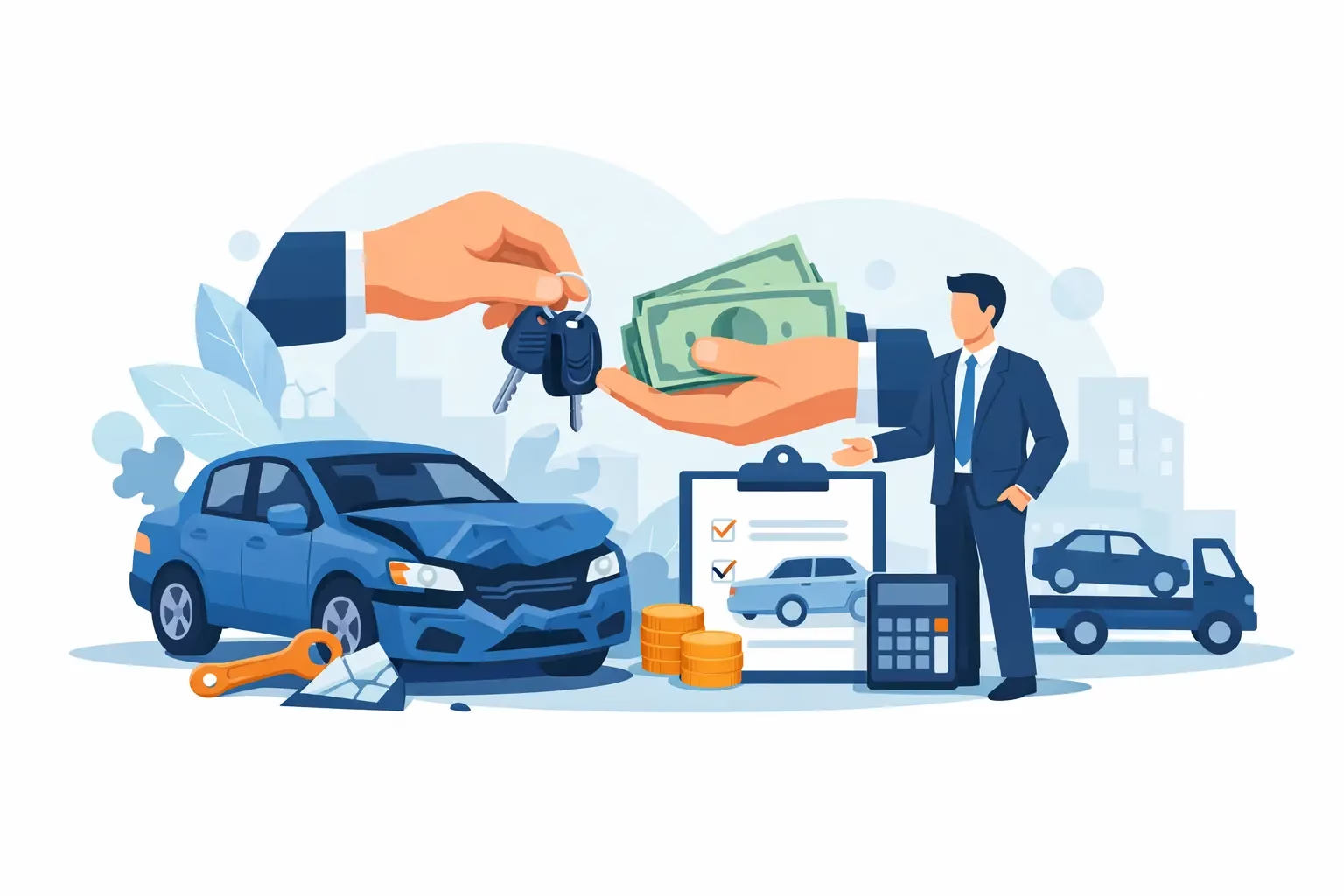
A damaged car can turn a simple sale into a project you never asked for. Maybe it has collision damage, a blown engine, hail dents, flood history, or a transmission that finally gave out. If you are wondering how to sell a damaged car, the good news is that you still have options – and you do not have to spend weeks posting ads, meeting strangers, or paying for repairs that may not raise the sale price enough to matter.
The right route depends on the type of damage, the car’s age and condition, whether it still runs, and how quickly you need your money. For many owners, the best result is not chasing the highest possible private-party price. It is getting a clear, fair offer and moving on without more stress.
Start by Understanding What You Have
Before you sell, get a clear picture of the damage. You do not need to become a mechanic or pay for a full restoration estimate. You simply need enough information to describe the vehicle accurately.
If the car runs and drives, note any warning lights, unusual noises, leaks, body damage, and known mechanical issues. If it does not run, identify the likely reason if you know it. A dead battery, failed starter, engine problem, or accident damage can affect value differently, but buyers who purchase damaged vehicles expect straightforward details.
Gather your basic paperwork at the same time. Have the title available if you own the car outright. If there is still a loan on it, find your lender information and current payoff amount. Keep your registration, VIN, and service records nearby as well. The more accurate the information, the more confidently a buyer can make an offer.
Do not hide damage in hopes of getting a better quote. Undisclosed problems can delay the sale, reduce the final offer, or end the transaction altogether. Honest details upfront create a faster, cleaner sale.
Decide Whether Repairs Are Worth It
A common question is whether you should repair a damaged vehicle before selling it. Sometimes the answer is yes. If the repair is minor, affordable, and likely to make the car easier to sell, it may be worth considering. Replacing a cracked mirror, fixing a flat tire, or cleaning a heavily soiled interior can improve first impressions without draining your budget.
Major repairs are different. Spending thousands on an engine, transmission, frame repair, or extensive bodywork does not always translate into thousands more at sale time. This is especially true for older cars, high-mileage vehicles, or cars with an accident history. You could put money into the vehicle and still face a long wait for a private buyer.
Ask yourself one practical question: Will this repair increase the car’s value by more than it costs, including your time? If the answer is uncertain, selling the car as-is is often the smarter move. An as-is sale does not mean giving the car away. It means pricing and presenting it honestly based on its real condition.
Know Your Main Selling Options
You can sell a damaged car privately, trade it in, sell it to a junkyard or salvage yard, or work with a car-buying service. Each path has a trade-off between potential price, time, effort, and certainty.
A private sale may bring more money in some cases, especially if the car has light damage and still drives well. But it also means taking photos, writing listings, responding to messages, screening buyers, arranging test drives, negotiating, and handling payment safely. Damaged cars can attract plenty of low offers and buyers who disappear after asking, “Is this still available?”
A dealership trade-in is convenient if you are already buying another vehicle, but trade-in offers can be lower when a dealer does not want to manage repairs or wholesale risk. You may also feel pressure to negotiate the trade-in and your next-car purchase at the same time.
A salvage yard can be a reasonable choice for a vehicle with severe damage, missing parts, or no realistic path back to the road. Still, do not assume every damaged car is only worth scrap value. A vehicle that runs, has usable parts, or can be repaired may be worth more than a basic junk offer.
A direct car buyer is often the practical middle ground. You can disclose the condition, receive an offer, and avoid the work of finding a private buyer. Consumer Auto Xchange is built for this kind of straightforward sale: submit your vehicle details, receive a cash offer, and get paid before pickup. That can be especially helpful when the car is not reliable enough to drive around for showings.
How to Sell a Damaged Car for a Fair Offer
Getting a fair offer starts with accurate information, not a perfect-looking car. Describe the damage clearly and include the details that affect value: whether it runs, whether it has been in an accident, whether airbags deployed, whether there is frame or flood damage, and whether it has a clean, rebuilt, or salvage title.
Photos matter when you are getting an online quote or selling directly. Take pictures in daylight and show the exterior from multiple angles, the interior, the odometer, the VIN plate if requested, and close-ups of visible damage. Do not use old photos from before the accident or crop out the problem areas. Clear photos reduce surprises and help support a more accurate offer.
It also helps to know the vehicle’s basics: year, make, model, trim, mileage, location, and major options. A damaged SUV with four-wheel drive, a popular pickup, or a late-model car with repairable damage may have stronger value than you expect. On the other hand, extensive structural damage, a non-running engine, or flood exposure can limit the buyer pool. This is why one generic estimate rarely tells the whole story.
Compare the total experience, not just the first number you see. A slightly higher private-party asking price can come with repair costs, towing expenses, weeks of messages, and the risk that the buyer backs out. A clear cash offer with pickup included may be the better financial decision once you account for the time and hassle you avoid.
Handle a Loan or Lien Before the Sale Gets Complicated
You can sell a damaged car even if you still owe money on it. The key is understanding the payoff process. Contact your lender and ask for the current payoff amount, how long it is valid, and the steps required to release the lien after payment.
If the offer is higher than your payoff, the difference can come to you after the lender is paid. If you owe more than the car is worth, you have negative equity. In that case, you may need to pay the difference to complete the sale. It is better to know that number early than to find out at the finish line.
A buyer experienced with loan payoffs can help coordinate the process, but you should still confirm the details directly with your lender. Keep copies of payoff confirmations and any lien-release documents for your records.
Protect Yourself During the Transaction
Damaged-car sellers are often looking for speed, which can make scam offers tempting. Be cautious with buyers who refuse to inspect the vehicle but want you to pay a fee first, send a deposit, accept an overpayment, or transfer ownership before you have confirmed payment.
Use a written bill of sale when appropriate for your state, remove personal belongings, clear your garage-door codes and saved addresses, and take out toll tags. Before handing over the keys, remove the license plates if your state requires it and notify your insurer that the vehicle has been sold. Canceling coverage too early, however, can leave you exposed if the car is still in your possession.
If the car needs towing, confirm who is arranging pickup, whether towing is included, and when payment will be made. A simple, documented process protects everyone involved.
Make the Easy Choice for Your Situation
You do not need to repair every dent, argue with every low-ball offer, or wait for the perfect buyer to sell a damaged vehicle. Give accurate details, understand the payoff if there is a loan, and choose a buyer whose process matches your timeline.
When a damaged car is taking up driveway space, creating repair bills, or adding one more task to an already busy week, a fast and certain sale can be worth far more than the hassle of trying to squeeze out every last dollar.

