
Your car is taking up space in the driveway, the next vehicle is already on your mind, and the last thing you want is weeks of messages from strangers asking, “Is this still available?” Knowing how to get a car offer online can replace that drawn-out process with a clear price, a planned pickup, and payment you can count on.
The right online offer is not just about getting a number. It is about knowing what that number means, whether it is based on your actual vehicle, and how quickly you can turn your car into cash without a stack of extra work.
How to Get a Car Offer Online Without the Runaround
Most online car-selling services begin with a short vehicle form. You provide basic details such as the year, make, model, trim, mileage, ZIP code, and vehicle identification number, or VIN. You may also be asked about the car’s condition, title status, accident history, warning lights, and whether you still owe money on it.
Be accurate. A clean, complete description gives the buyer a better picture of your vehicle and helps prevent surprises later. If the odometer reads 72,400 miles, do not round it down. If the bumper has a dent or the check-engine light is on, disclose it. Normal wear is expected on a used car. Honest information makes the offer and final sale more predictable.
Once you submit the details, an established buyer can evaluate your vehicle using current market data, demand in its dealer network, location, condition, and resale potential. Consumer Auto Xchange uses a nationwide network of more than 8,000 dealers to help generate competitive offers without asking sellers to chase buyers themselves.
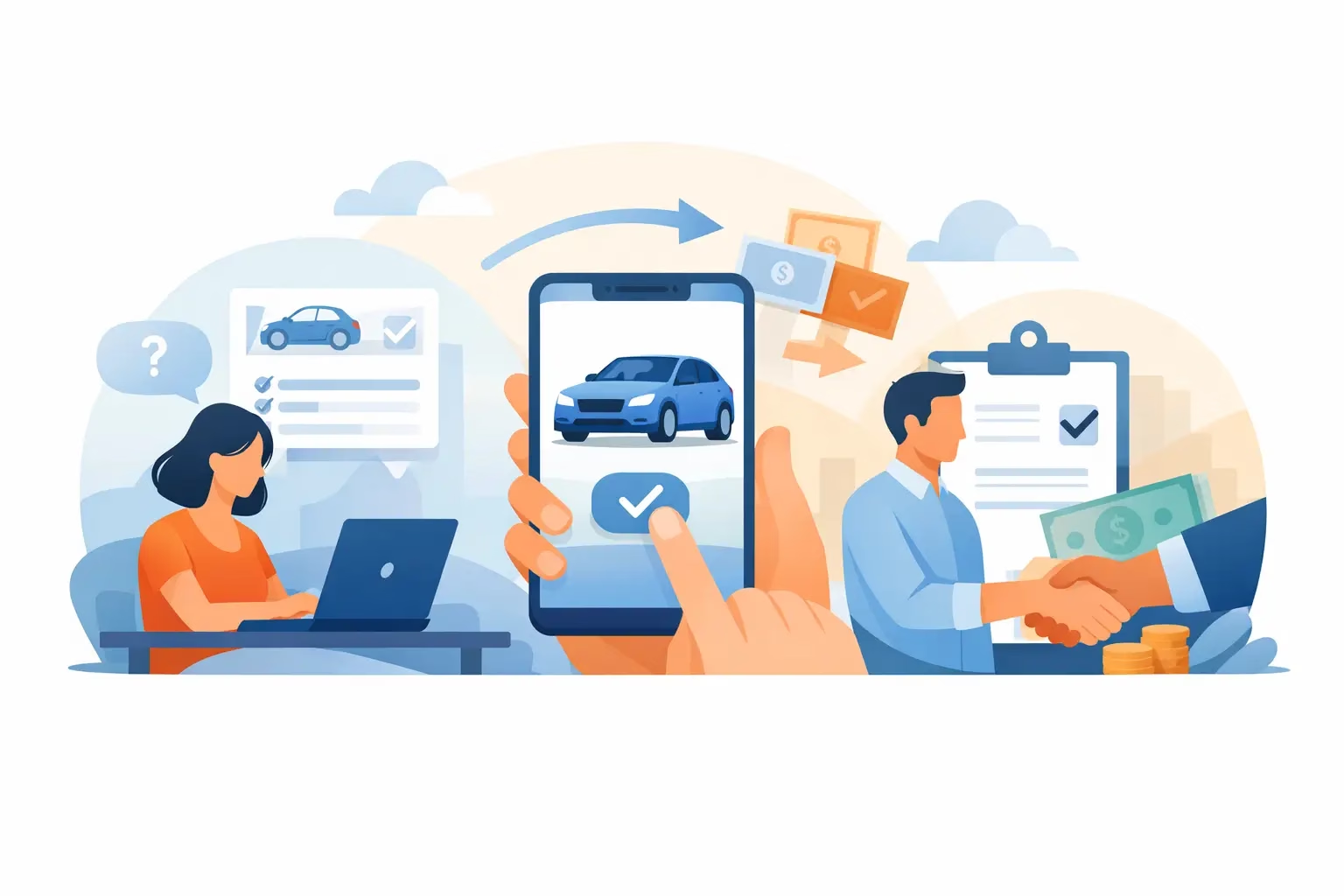
The process is easy as 1-2-3: submit your information, review your cash offer, and schedule pickup after you accept. No listing photos to stage, no weekend test drives, and no negotiating with every person who sends a message.
What Information Helps You Get a Stronger Offer?
Online offers are only as reliable as the details behind them. Before starting, take a few minutes to gather the information a buyer will need. Your title, registration, VIN, current mileage, and payoff information are the main items. If you have maintenance records, spare keys, or original accessories, keep those available too.
Vehicle condition matters, but it does not have to be perfect. A car with worn tires, cosmetic scratches, or a broken air-conditioning system may still have strong value. The buyer simply needs a realistic picture of what they are purchasing. Some sellers spend money on repairs before requesting an offer, but that is not always the best move. A repair can cost more than it adds to the sale price, especially if you are selling quickly.
Mileage, trim level, local demand, and season can all affect value. A four-wheel-drive SUV may be especially appealing in colder markets, while a fuel-efficient commuter car may draw stronger demand where driving distances are longer. There is no single price guide that captures every variable. That is why a real offer based on your vehicle details is more useful than a broad estimate.
Take Clear Photos if Requested
Some online buyers ask for photos to confirm condition. If so, take them in daylight and show the exterior from multiple angles, the interior, dashboard, odometer, tires, and any visible damage. Photos do not need to be professional. They just need to be clear.
Trying to hide damage usually creates delays. Showing it upfront gives the buyer a chance to account for it in the offer and lets you move forward with fewer questions.
Know the Difference Between an Estimate and a Cash Offer
Not every number you see online is an offer to buy your car. Many websites provide an estimated value range based on broad market information. That can be a useful starting point, but it may change once the buyer sees your mileage, condition, location, and title status.
A cash offer is more specific. It should tell you what the buyer is prepared to pay, how long the offer is valid, and what conditions could change the amount. Read those terms before accepting. If an offer is based on your vehicle matching the description you provided, that is reasonable. If the process is vague about fees, inspection rules, or payment timing, ask questions before committing.
The best option depends on your priorities. A private-party sale can sometimes produce a higher price, but it may require cleaning, advertising, answering messages, arranging meetings, allowing test drives, and waiting for a serious buyer. A dealership trade-in can be convenient when you are buying another car, though the offer may be less competitive because it is part of a larger deal.
An online cash offer is often the better fit when speed, safety, and a straightforward transaction matter most. You know where you stand before pickup and avoid turning your personal schedule into a used-car sales operation.
Selling a Car With a Loan or Lien
Owing money on your car does not mean you have to wait to sell it. It does mean the payoff needs to be handled correctly. Your lender holds a lien on the vehicle until the balance is paid, so the title cannot be transferred as though the car were fully paid off.
Start by requesting your exact payoff amount from the lender. This amount can differ slightly from the balance on your monthly statement because it includes interest through a specific date. Also ask the lender what it needs to release the lien and how long the title process takes.
If your offer is more than the payoff amount, the lender can be paid and you receive the remaining equity. If the payoff is higher than the offer, you will generally need to cover the difference. A reputable car-buying service can guide you through the paperwork and payoff process, which removes one of the biggest sources of stress for sellers with financed vehicles.
Do not assume a buyer will handle the loan just because they say they can. Confirm who pays the lender, when that payment is sent, and how you receive any money owed to you. Clear answers protect your sale and give you confidence before handing over the keys.
Ask These Questions Before You Accept
A quick online offer should still come with a clear process. Before accepting, make sure you understand the answers to these questions:
- Is the offer a real cash offer or only a market estimate?
- Are there any pickup, towing, inspection, or administrative fees?
- When will I be paid, and what payment method will be used?
- Does payment happen before the vehicle is picked up?
- Can the buyer handle a loan payoff or lien release?
- What documents do I need at pickup?
These details matter because a fast offer is only helpful if the final transaction is just as easy. Payment timing is especially important. Getting paid before pickup means you do not have to watch your vehicle leave and then wonder when the money will arrive.
Prepare for Pickup and Get Paid With Confidence
After you accept an offer, remove personal belongings from the car. Check the glove box, center console, trunk, door pockets, seatback pockets, and under the seats. Take out garage-door openers, toll transponders, parking passes, and any documents with personal information.
If your vehicle has connected services, remove it from your account and reset saved addresses, phone contacts, and garage codes. Keep one key for the pickup appointment and gather every extra key you have. Extra keys can add convenience and value, but more importantly, having them ready helps the handoff stay quick.
Bring the required title and identification documents, and do not sign anything you have not read. If your state requires a bill of sale or a release of liability, complete it promptly after the sale. Rules vary by state, so follow the instructions provided for your transaction.
A professional buyer should make pickup feel organized, not uncertain. You should know the appointment window, what documents are needed, how the car will be collected, and when payment is complete. With Consumer Auto Xchange, sellers can receive payment before pickup, with pickup and payment available within 48 hours of agreement in many cases.
Get the Offer, Then Get Back to Your Life
Selling a vehicle does not need to become a second job. Provide accurate details, review a real offer, confirm the payment and title process, and choose a buyer that respects your time. When the price is clear and the pickup is scheduled, your car sale can be one less thing on your to-do list – not a problem that follows you for weeks.

