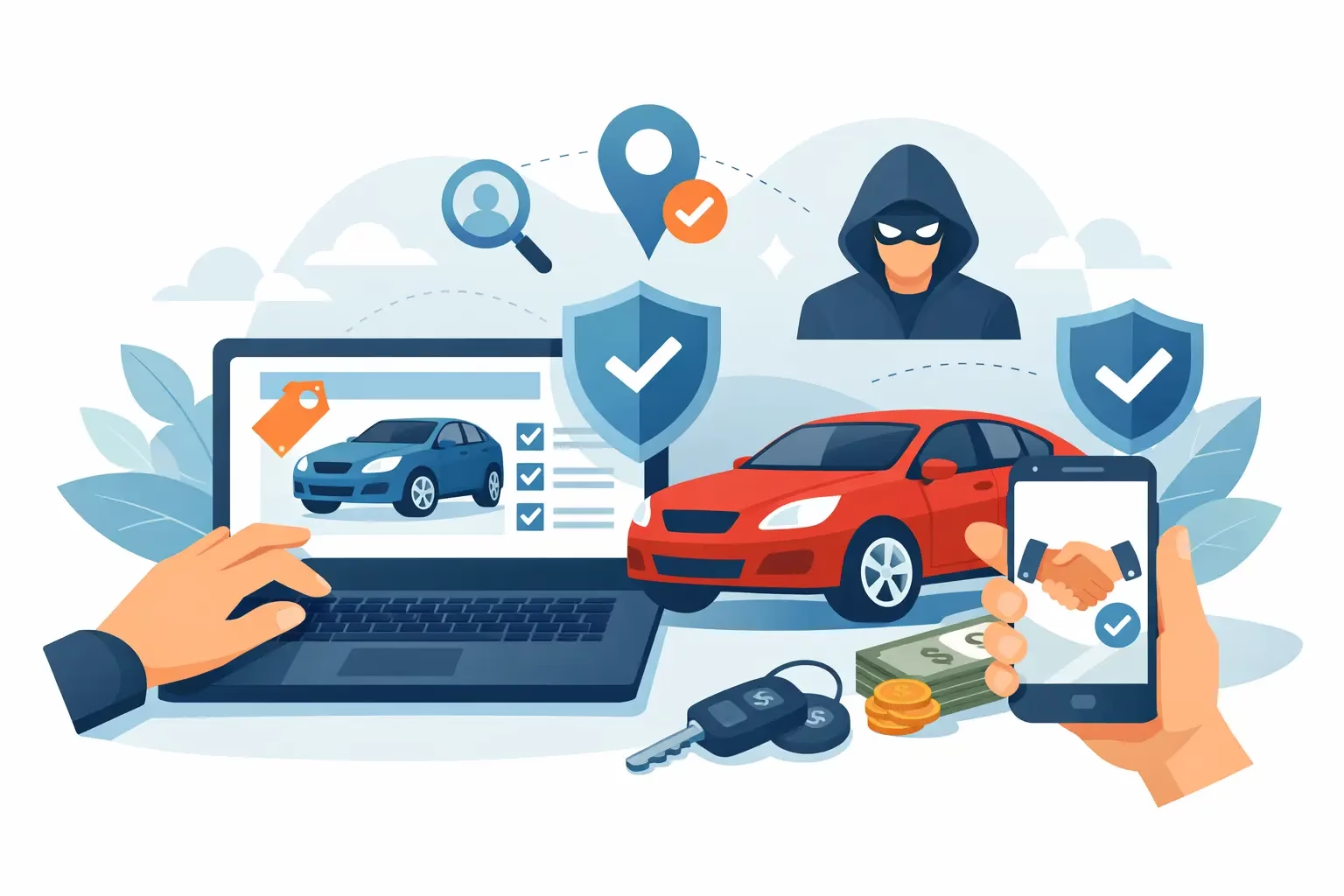
A stranger wants to buy your car, says they can send payment right away, and asks you to hold it until their cousin can pick it up. That is the moment most sellers start wondering: is selling a car online safe? It can be, but only when you control the process from the first message through the final pickup.
Selling online can save time and help you avoid the dealership runaround. It can also expose you to fake payments, identity theft, no-show buyers, and stressful meetups with people you do not know. The difference comes down to where you sell, how payment is handled, and whether you have a clear plan before handing over your keys.
Is Selling a Car Online Safe?
Selling a car online is generally safe when you use a reputable buyer or take practical precautions with a private-party sale. The biggest risks are not the online listing itself. They are the gaps in the transaction: sharing too much personal information, accepting a payment that has not truly cleared, or allowing the vehicle to leave before the paperwork is complete.
A legitimate buyer will not rush you into skipping your usual safeguards. They should be willing to provide clear terms, explain how payment works, and respect reasonable boundaries around test drives, pickup, and title transfer.
Private selling and online car-buying services have different trade-offs. A private sale may give you the chance to negotiate for a higher price, but it often means answering messages, arranging showings, screening strangers, and managing payment on your own. A professional online buyer is built for sellers who value speed, certainty, and a controlled process more than spending weeks pursuing the highest possible private-party offer.
The Most Common Online Car Selling Scams
Scams tend to follow familiar patterns. Knowing what they look like can help you stop a bad deal before it starts.
Fake or Reversible Payments
A buyer may send what appears to be a cashier’s check, money order, payment confirmation, or bank transfer receipt. Sometimes the payment is fraudulent. Other times, it is reversed after you release the vehicle.
Do not rely on a screenshot, email notification, or a buyer’s word that funds are on the way. Verify payment directly through your bank or use a trusted buyer with a defined payment process. If the payment seems unusually complicated, it probably is.
The Overpayment Story
A buyer offers more than your asking price, then asks you to send the difference to a shipping company, driver, or third party. The original payment later fails, leaving you without the car and out the money you forwarded.
No legitimate buyer needs you to act as their payment middleman. Never send money to someone as part of selling your vehicle.
Remote Buyer and Shipping Pressure
Not every out-of-state buyer is dishonest. But be cautious when someone refuses a normal conversation, will not discuss the vehicle details, or pushes you to use their preferred shipper immediately. Scammers often use urgency to keep you from checking the details.
If you sell privately, arrange pickup only after the payment is verified and your paperwork is ready. A professional buyer should clearly explain who is picking up the car, when it will happen, and what you need to provide.
Requests for Personal Information
A serious buyer may need basic vehicle information, the VIN, mileage, condition details, and photos. They do not need your Social Security number, online banking login, or a copy of every personal document before a real transaction is in place.
Be especially careful with photos of your title, registration, and insurance documents. These can contain personal information. If you need to show documentation, cover information that is not necessary for the buyer to see.
7 Ways to Sell Your Car Online More Safely
You do not need to become a fraud expert to protect yourself. A few clear rules eliminate many common problems.
- Choose a buyer with a real, verifiable business process. Look for clear contact information, straightforward offer terms, and an explanation of payment and pickup. Be wary of buyers who only communicate through vague messages or avoid basic questions.
- Keep personal details private. Share the vehicle’s make, model, condition, mileage, and VIN when appropriate, but do not post your home address, financial information, or full registration documents online.
- Verify every payment before releasing the car. A check that looks official is not the same as cleared funds. Confirm with your financial institution, and never hand over the title or keys based on an email receipt alone.
- Meet in a controlled location for private sales. If a buyer wants a test drive, meet during daylight in a public place. Bring another adult when possible, verify the driver’s license, and go along for the ride. Do not let a stranger take your car alone.
- Use a written bill of sale. Include the vehicle identification number, sale price, date, mileage, and both parties’ names. State whether the vehicle is being sold as-is when that applies in your state. Keep a signed copy for your records.
- Handle the title and plates correctly. Requirements vary by state, so check the rules where you live before the sale. In many states, you should remove your license plates, report the sale, and keep proof that ownership changed hands.
- Trust the warning signs. Walk away if a buyer pressures you, changes the agreement at the last minute, refuses to verify payment, or asks you to do something that feels off. A car is valuable. You are allowed to slow down and protect yourself.
A Safer Alternative to Managing a Private Sale
For many owners, the difficult part is not writing an online listing. It is managing everything after the listing goes live. You may get dozens of messages, low-ball offers, requests for test drives, and buyers who disappear after saying they are interested.
A direct online car buyer reduces those moving parts. Instead of coordinating with multiple strangers, you submit your vehicle details, review an offer, and schedule pickup if you accept. That makes the transaction easier to manage, especially if you are busy, selling a family vehicle, moving, or dealing with a car that still has a loan.
Consumer Auto Xchange uses a simple three-step approach: share your vehicle information, receive a cash offer, and get paid before pickup. The company also helps address liens and loan payoffs, which can be one of the more confusing parts of selling a financed vehicle.
That does not mean every online offer will be the right fit for every seller. If your goal is to spend time negotiating with individual buyers for the highest possible price, a private sale may still make sense. But if your priority is a fast, predictable sale without showings, stranger meetups, or payment uncertainty, a professional buyer can be the safer choice.
What to Check Before Accepting an Online Offer
Before agreeing to any offer, read the terms carefully. Find out whether the offer is firm or subject to an in-person inspection, whether there are fees, how long the offer is valid, and when you will be paid. You should also understand what happens if your car has a loan balance, accident damage, or condition issues that were not included in the original details.
Ask direct questions and expect direct answers. Who will pick up the vehicle? Will you be paid before the car leaves? What documents should you bring? Is there anything that could change the offer? Clear answers make for a safer, less stressful sale.
You should also prepare the vehicle before pickup. Remove personal items from the glove box, center console, trunk, and under the seats. Delete saved addresses, contacts, garage codes, and connected accounts from the navigation system or infotainment screen. Gather your title, payoff information if needed, spare keys, and maintenance records.
Safety Is About Control
The safest way to sell your car online is the one that gives you clear payment, clear paperwork, and clear expectations from start to finish. A deal should never depend on a stranger’s promise that money will arrive later or that paperwork can be handled after they take the car.
Choose a process that lets you keep control of the keys until payment is confirmed, protects your personal information, and gives you a record of the sale. When the transaction feels simple, transparent, and properly organized, selling your car online can be far less stressful than posting an ad and hoping the right buyer shows up.

