
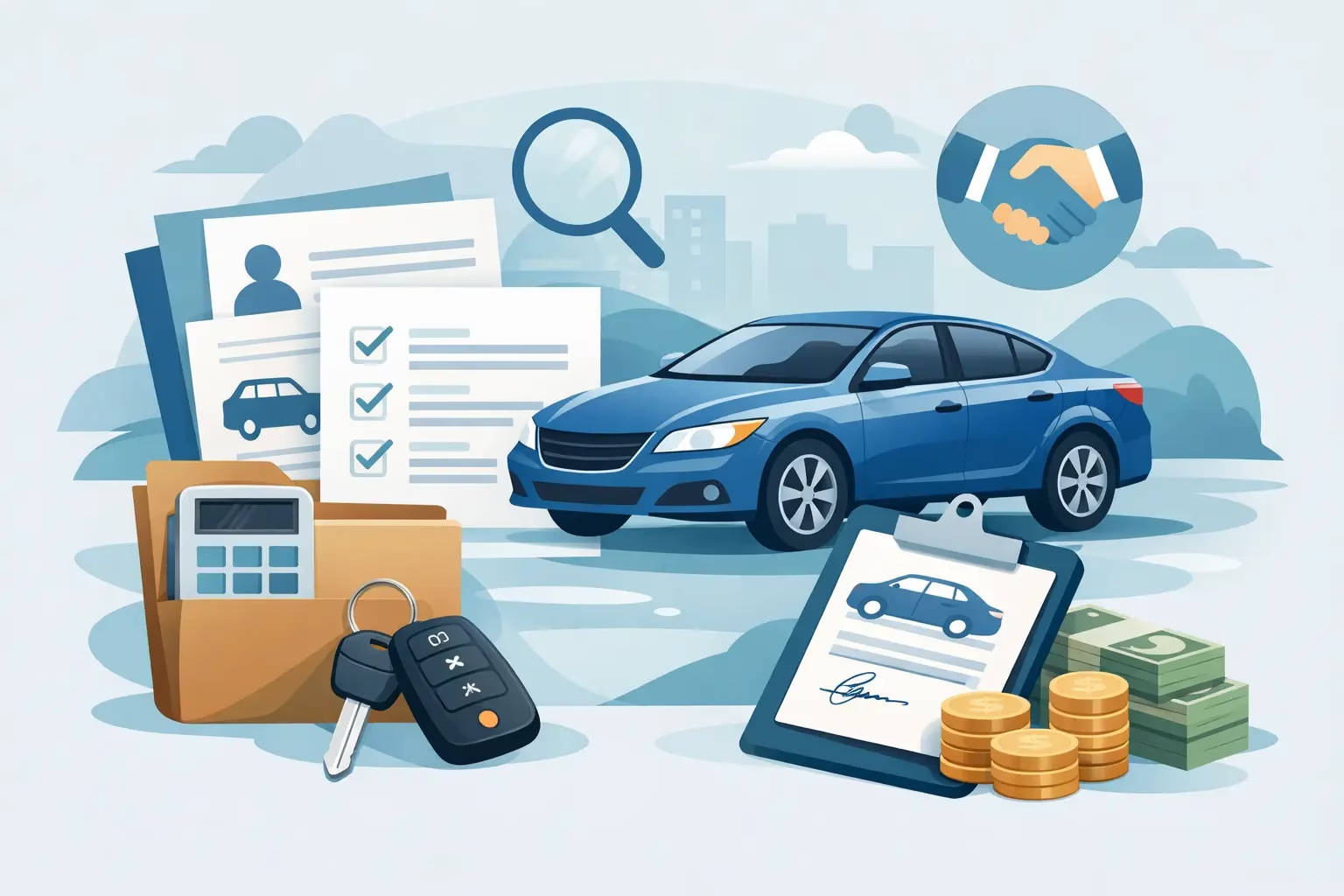
Selling a car with a loan does not have to mean weeks of calls, paperwork, and uncertainty. The right documents for a financed car sale make the process much faster, especially when you know what your lender needs before the vehicle can be picked up.
A financed vehicle has a lien attached to its title. That means the lender has a legal interest in the car until the loan is paid in full. You can still sell it, but the sale needs to account for the outstanding balance and the steps required to release the lien. Get your paperwork together early, and you can avoid the delays that turn a simple sale into a frustrating one.
Documents for a Financed Car Sale
The exact requirements can vary by state, lender, and vehicle buyer. Still, most financed car sales come down to a small group of records that prove who owns the vehicle, how much is owed, and whether the lien can be released.
Your current vehicle registration
Your registration confirms the vehicle is registered in your name and helps verify key details such as the VIN, make, model, and license plate number. Keep a current copy available, even if your lender holds the title electronically or in paper form.
If the registration is expired, the vehicle may still be sellable, but let the buyer know right away. An expired registration can create extra questions, particularly if the car has been sitting unused or has changed addresses since it was last renewed.
A valid government-issued photo ID
A driver’s license or other government-issued photo ID confirms that you are the person authorized to sell the vehicle. The name on your ID should match the name on the registration and loan account whenever possible.
If your name has changed because of marriage, divorce, or another reason, have the supporting documentation ready. A name mismatch is usually fixable, but it is much easier to address before the payoff process begins.
Your loan account information
Have your lender’s name, your loan account number, and the lender’s customer service or payoff department contact information available. This allows the buyer to verify the lien and coordinate payment correctly.
Do not rely on the balance shown in your regular monthly statement. The number you need is the official payoff amount, which includes the precise total required to satisfy the loan as of a specific date.
A current payoff quote
A payoff quote is one of the most important documents in a financed sale. Request it directly from your lender and make sure it includes the payoff amount, expiration date, account number, and payment instructions.
Most payoff quotes are only valid for a limited time, often 10 to 15 days. Interest continues to add up each day, so an old quote may no longer be accurate when the transaction is ready to close. If the sale is delayed, request an updated quote instead of guessing at the balance.
The vehicle title, if you have it
Some lenders keep the paper title until the loan is paid, while others use an electronic title system. If you have the title, do not sign it until you understand your state’s transfer requirements and the buyer tells you when to complete it.
If the lender holds the title, that is normal. The lender typically sends the title or lien release once it receives the payoff. A professional vehicle buyer can often work directly with the lender to keep this part moving.
Lien release documentation
After the loan is paid, the lender provides a lien release or clears the lien through the state title system. This is the document that shows the lender no longer has a claim on the car.
The timing depends on the lender and your state. Some electronic lien releases happen quickly, while mailed paperwork can take longer. Ask your lender how it handles title release before you agree to a sale date. Knowing the timeline upfront helps set realistic expectations.
All keys, remotes, and vehicle accessories
Keys are not title documents, but they matter. Bring every key, key fob, valet key, charging cable, wheel lock key, and major accessory that came with the vehicle. Replacing a modern smart key can be expensive, so missing keys can affect an offer or create a delay.
If you have service records, warranty paperwork, or a recent inspection report, keep those nearby too. They are not always required, but they can help answer questions about maintenance and condition.
How the Loan Payoff Works When You Sell
The key question is simple: is your sale price higher or lower than the payoff amount?
If the offer is higher than what you owe, the buyer can use part of the funds to pay off the lender. The remaining amount is your equity. For example, if your payoff is $14,000 and the agreed sale price is $17,000, there is $3,000 in equity after the loan is satisfied.
If you owe more than the vehicle is worth, you have negative equity. Say the payoff is $17,000 but the offer is $15,500. You would need to cover the $1,500 difference for the lender to release its lien. This situation is common, especially if you financed a newer vehicle with a small down payment or rolled a previous loan balance into the purchase.
Do not hand over a vehicle until the payoff arrangement is clear. You need to know who will send payment to the lender, how any shortfall will be paid, and what confirmation you will receive. Clear answers protect you from confusion after the car is gone.
Consumer Auto Xchange helps sellers work through loan and lien details as part of a fast, straightforward sale process. Rather than finding a private buyer willing to wait for title paperwork, you can get an offer, confirm the payoff steps, and move toward payment and pickup with less back-and-forth.
Steps to Take Before You Accept an Offer
Start by calling your lender and asking for a 10-day payoff quote. Ask whether the title is paper or electronic, where payoff funds must be sent, and how long lien release processing typically takes. Write down the representative’s name and any reference number from the call.
Next, compare the payoff figure with the offer you receive. This tells you whether you have equity coming back to you or a remaining amount to pay. It is better to know this before scheduling anything, not when the driver is already on the way.
Then check the names on your registration, ID, loan, and title. If a co-owner or co-borrower is listed, that person may need to sign paperwork or be available to approve the transaction. State rules differ, and the words “and” or “or” between owners’ names can change who must sign.
Finally, remove your personal items and make a plan for your plates. In many states, license plates stay with the seller rather than the vehicle. You may need to transfer, surrender, or cancel them after the sale. Your state motor vehicle agency can confirm the local rule.
Common Delays and How to Avoid Them
The most common delay is an outdated payoff amount. Request a fresh quote if the original one is close to expiring. A small daily interest change can leave a payoff short, which means the lender will not release the lien until the remaining balance is paid.
Another issue is missing authorization from a co-owner. If two people are on the title, registration, or loan, do not assume one signature is enough. Confirm the requirement before pickup. The same goes for power of attorney documents if an owner cannot be present.
A third problem is a title that was never transferred into the seller’s name after a previous purchase, inheritance, or family transaction. That is not always a deal-breaker, but it requires extra work. Be upfront about it early so the right paperwork can be identified.
Also, do not cancel your insurance policy too soon. Keep coverage active until the vehicle has been sold and the handoff is complete. Once the sale closes, contact your insurer to remove the car or cancel the policy if appropriate.
A Faster Way to Get Ready to Sell
Keep your ID, registration, loan account number, payoff quote, keys, and lender contact details in one folder. A digital copy is useful, but have the originals available when needed. This small bit of preparation can save days.
Financed cars are sold every day. The loan simply adds a payoff step, not a reason to put off selling. Get the current numbers, confirm who needs to sign, and choose a buyer that can handle the lien process clearly. Then you can move on from the vehicle without chasing strangers, waiting on checks, or wondering where your paperwork stands.

